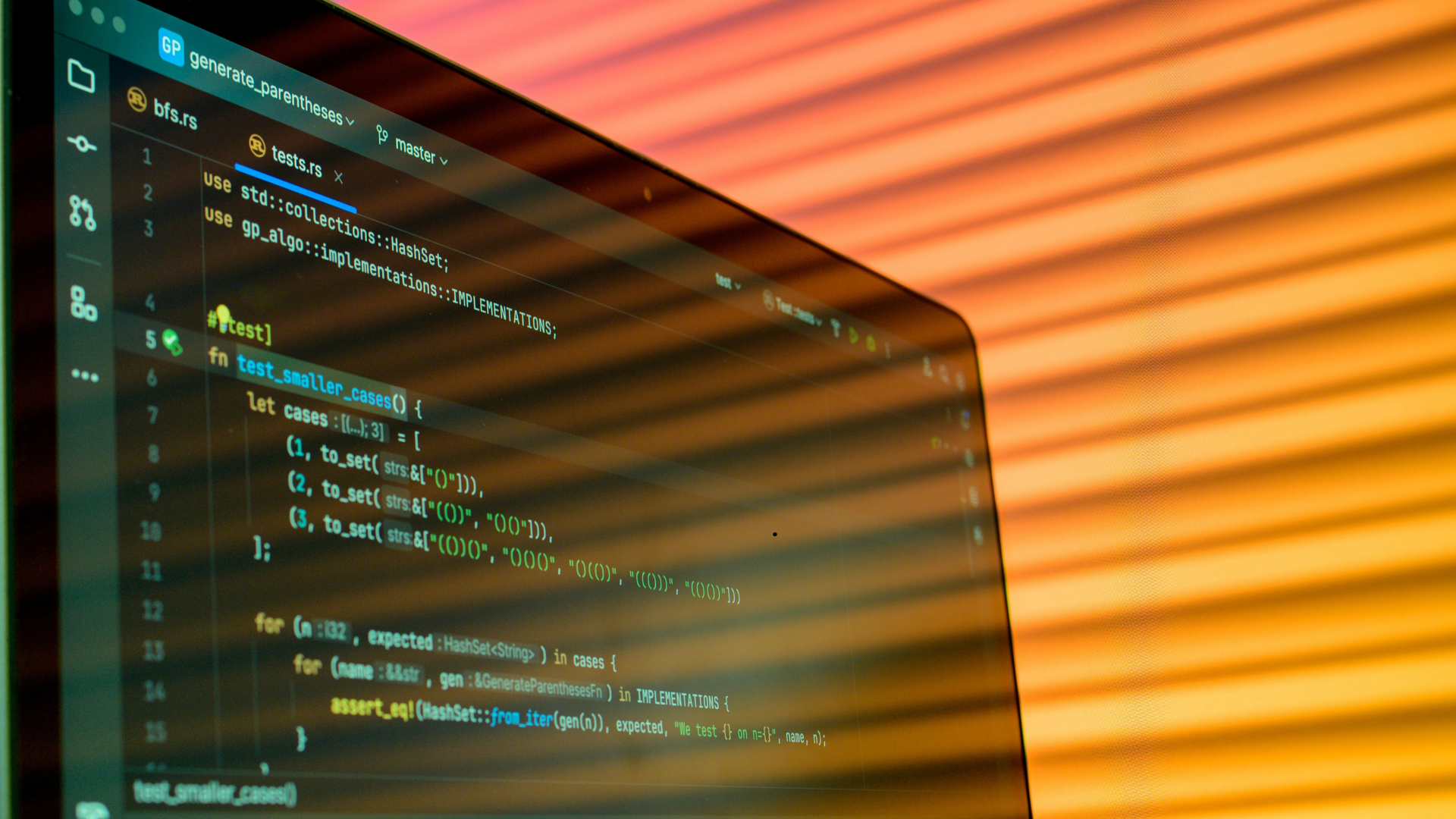
AI coding assistants are rapidly becoming embedded in modern software development workflows. Tools that can autocomplete functions, generate modules, and even propose architectural patterns promise dramatic gains in developer productivity.
But as organizations race to adopt these capabilities, a quieter phenomenon is emerging beneath the surface: the gradual accumulation of what many engineers are beginning to describe as ‘shadow code.’
Shadow code refers to code that enters production systems through AI-assisted generation without being fully understood, reviewed or architecturally contextualized by human developers. Unlike traditional handwritten code, which typically reflects deliberate design decisions, AI-generated code can introduce functionality that developers accept and integrate without fully tracing its implications across the broader system.
Over time, this creates layers of operational behavior that exist in production but are not clearly represented in design documents, architectural diagrams or threat models.
The growth of shadow code is largely driven by the speed advantages offered by AI coding tools. Development cycles that once spanned weeks are now shrinking to days, hours or even minutes. Engineers increasingly rely on AI assistants to generate scaffolding, helper functions, integration logic and even security-sensitive components. While this dramatically accelerates software delivery, it also introduces code paths that may not receive the same level of scrutiny as traditionally written code.
In large enterprises, this effect compounds quickly. A team may accept a generated code snippet that works for its immediate purpose, merge it through automated pipelines, and deploy it into production.
Over time, hundreds or thousands of such snippets accumulate across services. Each one may appear harmless in isolation, but collectively they form an opaque layer of system behavior that few engineers have fully examined.
The code ‘technically’ works
Traditional code review processes were not designed for this level of velocity or code generation scale. Reviewers typically evaluate whether code compiles, follows style guidelines and satisfies the intended functionality.
When code is generated by AI, the reviewer may not have full confidence in the deeper assumptions embedded in the generated logic. Subtle edge cases, inefficient algorithms or insecure dependency patterns can slip through because the code technically works and appears syntactically correct.
Static analysis tools face similar limitations. These tools are extremely effective at detecting known vulnerability patterns such as injection risks, insecure dependencies, or misconfigured cryptography.
However, they are not designed to reason about higher-level behavioral properties of complex systems. AI-generated code may introduce unexpected interactions between components, unusual runtime states, or edge-case failures that static analysis cannot easily detect.
When code is written faster than it can be deeply understood, organizations risk losing the architectural clarity required for robust governance.
The result is a growing gap between what systems are documented to do and what they actually do at runtime. Security leaders and engineering executives increasingly recognize that the primary risk is not simply the presence of bugs, but the lack of visibility into emergent system behavior.
When code is written faster than it can be deeply understood, organizations risk losing the architectural clarity required for robust governance.
Fixing the problem
To address this challenge, enterprises need to rethink how they approach quality assurance, observability, and security validation.
Instead of relying solely on pre-deployment checks, organizations must build mechanisms that continuously observe and evaluate system behavior in production environments. Runtime telemetry, behavioral monitoring, and automated testing systems can help identify discrepancies between expected and actual system behavior.
This is also where a new generation of autonomous testing platforms is beginning to emerge. These include solutions deploying AI-driven QA agents that continuously explore application behavior, simulate user interactions, and detect unexpected outcomes at runtime. By shifting testing from static checks to ongoing behavioral validation, these systems help organizations uncover hidden risks introduced by rapidly generated code.
Security teams should also expand their focus from code artifacts to operational outcomes. Rather than asking only whether code passed static analysis or peer review, leaders should examine how systems behave under real workloads, how dependencies interact dynamically, and whether AI-generated components introduce unexpected side effects. This shift from static inspection to behavioral assurance will become increasingly important as AI-assisted development continues to scale.
Ultimately, the challenge of shadow code is not a reason to slow AI adoption. The productivity gains offered by AI coding assistants are real and transformative. However, organizations must recognize that faster code generation requires equally advanced approaches to validation and oversight.
Enterprises that invest early in runtime visibility, autonomous testing infrastructure, and governance frameworks will be better positioned to harness the benefits of AI-driven development while avoiding the hidden risks that shadow code can introduce.
Author

Get the latest insights about enterprise AI.
Subscribe to our newsletter. Thank you.