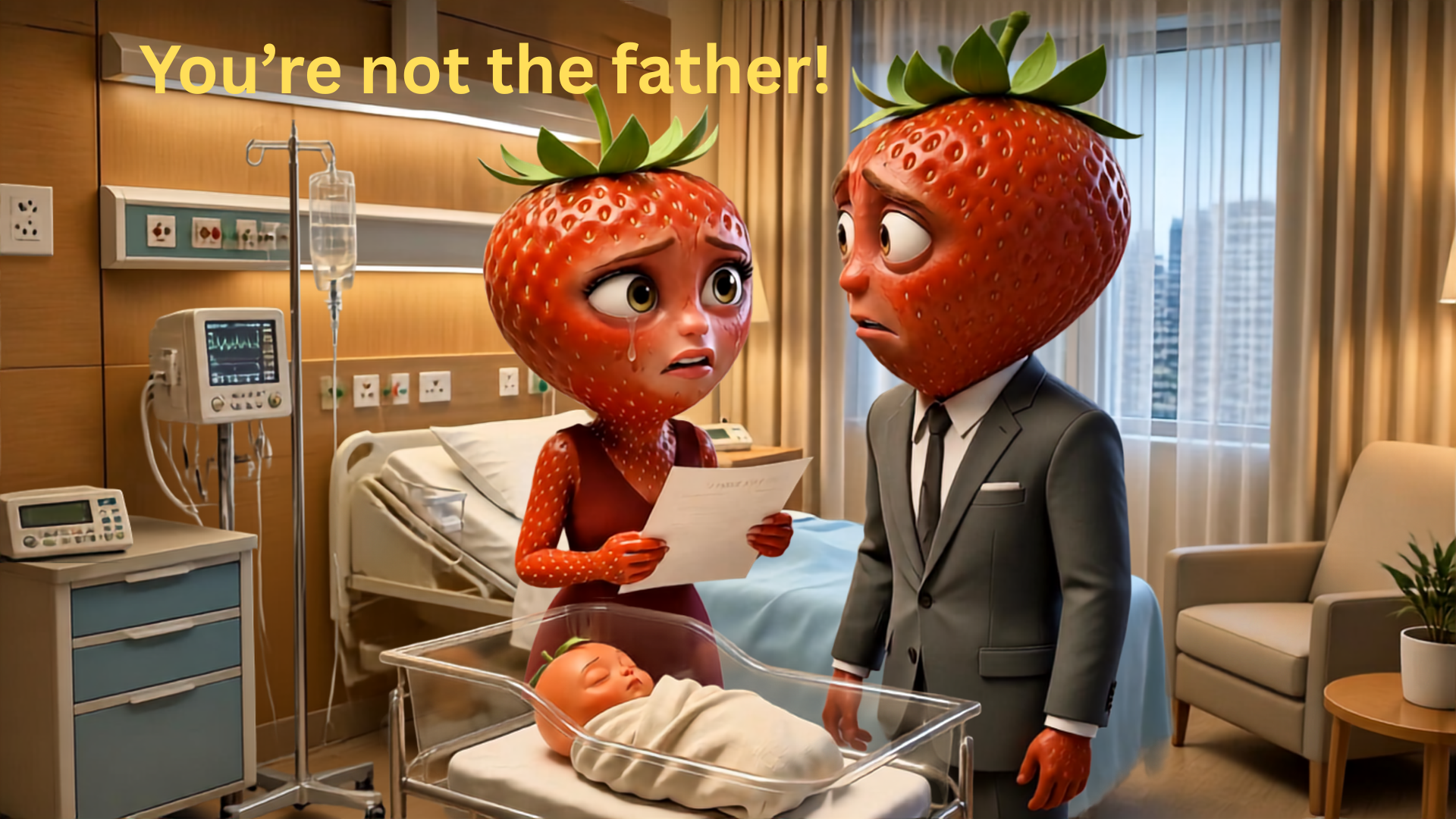
When TikTok unveiled its AI-generated soap operas that had fruit in starring roles, much of the conversation focused on the sheer ludicrousness of the trend, or dove into the psychology of why people like ‘brain rot’ content. The soaps’ popularity – or even existence – may boggle the mind, but there’s a lesson to be learned about how people discover content today and what gets prioritized.
It’s important to realize that the success of soaps – with titles like ‘Strawberry Cheated Orange for Banana’ – wasn’t driven by popular creators, established brands, or celebrity endorsements. Most people have no idea who makes them, and many don’t even care. TikTok surfaced the content because it consistently captured attention – for better or worse, regardless of its source, quality, or nature.
That’s nothing new. Recommendation algorithms have been deciding what gets attention for years. But quality content could still break through, and the traditional work of building an audience, cultivating followers and establishing a recognizable identity could pay off. The difference now is that those advantages matter less when an algorithm can propel an anonymous piece of content to millions of people simply because they keep watching.
AI has changed the game fundamentally by allowing anyone to produce an endless stream of videos in minutes, which the platforms direct to users in a never-ending stream. As a result, attention is growing detached from authors or brand recognition, leaving platforms free to recommend whatever generates the most engagement.
We’re living in the AI slop era
Last year, Meta CEO Mark Zuckerberg declared that social media had entered a third phase, one that centers around AI-generated content. His comments received strong backlash, but regardless of the optics, he appears to be correct.
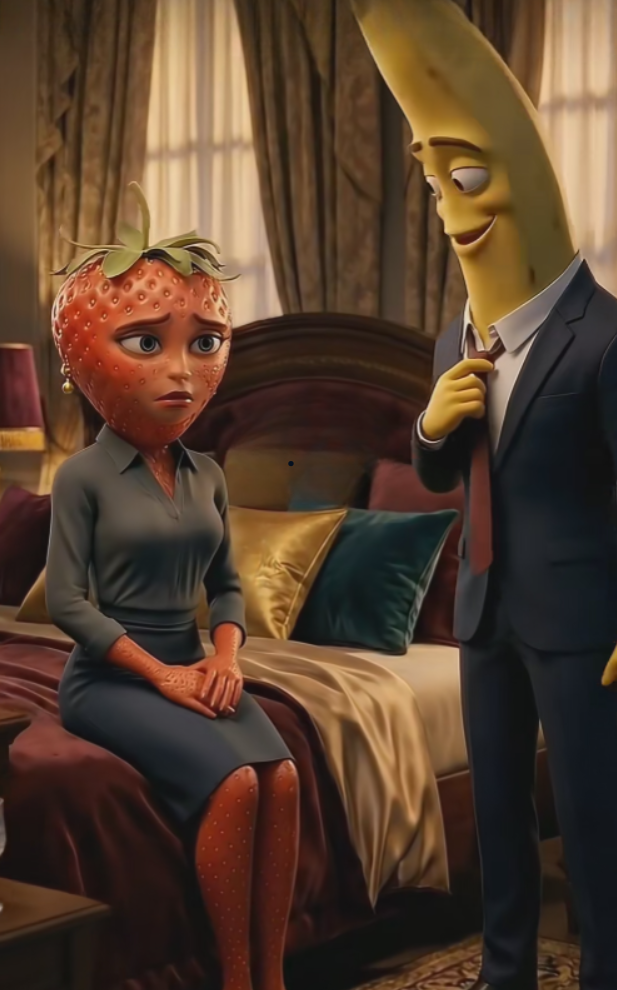
AI tools, often offered by social media platforms themselves, have dramatically lowered the cost, and crucially, the skills required to create passable videos. All it takes to produce a piece of content is some disposable money and a free afternoon.
The platforms rejoice, of course. Motivated to improve engagement and usage, they let the market decide what should hold their attention – whether it’s financial analysis, gaming clips, cooking tutorials, or AI-generated videos of a strawberry’s extra-marital affair.
Engagement is the new cornerstone of distribution
It’s not surprising that organizations haven’t been able to keep pace with such drastic changes. Companies continue to create content, distribute it across channels, and hope people see it.
But platforms reward signals that indicate sustained engagement. Watch times, rewatches, comments, shares, saves, and meaningful interactions all influence whether a piece of content continues to be promoted.
This means the opening seconds of a video or the first paragraph of an article now carry disproportionate weight. If your ideal customer swipes away to the next video immediately, the recommendation system has little incentive to continue showing your content.
In short, quality has been eclipsed by your ability to provoke a reaction.
The fruit novels succeeded because they managed to meet these criteria, intentionally or otherwise. The bizarre premise created curiosity, and the serialized format encouraged people to return. By their nature of being low-hanging fruit, pun intended, they sparked larger discussions on brain rot, on social media addiction, on the idea of content itself. This helped spread their popularity into mainstream media outlets such as Forbes, BBC, and Wired.
Not everyone is convinced the numbers are as clean as they look. Some viewers have questioned whether bots inflated the view counts, and critics have openly mocked the trend as low-effort slop. But that skepticism doesn’t necessarily undercut the trend’s reach.
Platforms generally reward participation over sentiment, so mockery and disbelief can spread content nearly as effectively as praise. If anything, the backlash likely extended the fruit videos’ reach further than straightforward praise would have.
In short, quality has been eclipsed by your ability to provoke a reaction. Brands must adapt how they approach content to consistently create ideas people feel compelled to discuss, share, and engage with.
That will require thinking less like a publisher focused on output, and more like a storyteller focused on participation. Think questions like, “Will this spark conversation?” and “How will people react to this?”
Communication must evolve
TikTok’s fruit novels are unlikely to be remembered as a cultural milestone. Still, they may go down in history as an early signal of a broader transformation.
As AI hands content creation to the masses, discovery will become the bigger challenge, and success will depend on creating ideas that audiences choose to engage with. Relying on brand or creator recognition will continue to work, but such an approach will risk your content being drowned out.
Discovery is now embedded in the creative process itself. To succeed in today’s AI-driven media environment, marketers must understand a simple reality: Algorithms may decide what gets shown, but people still decide what deserves attention.
Author

Get the latest insights about enterprise AI.
Subscribe to our newsletter. Thank you.