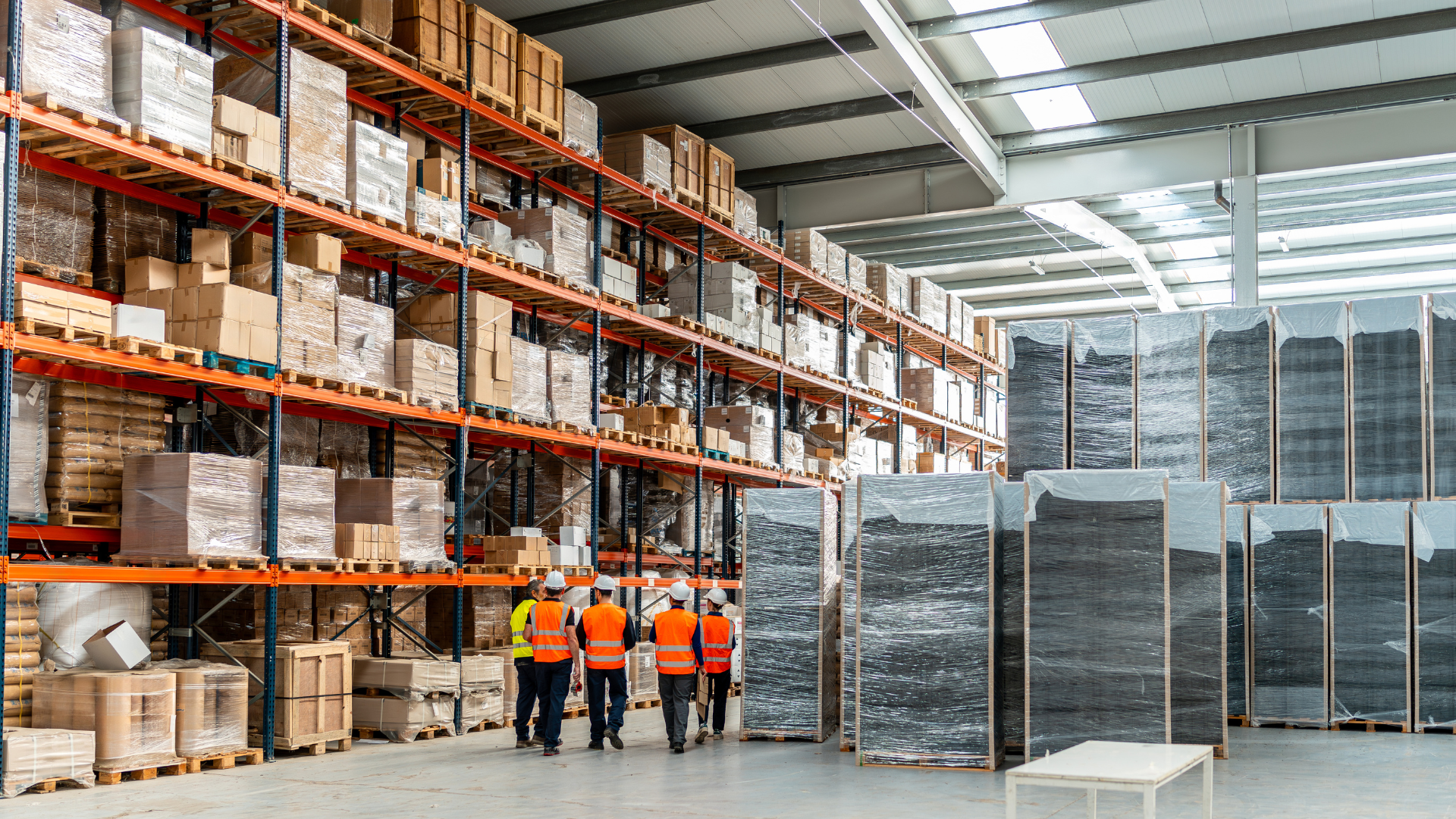
Wholesale distribution is an $8.6 trillion industry that drives almost a third of the U.S. economy. Despite its enormous reach, these businesses in the middle of the supply chain have received relatively little attention from technology developers. Most systems used by distributors were created for other sectors and later adapted to fit. The same pattern is now emerging with AI. Today’s largest AI platforms were not built with distributors in mind.
During my 14 years at the National Association of Wholesaler-Distributors, I saw the effect the “generalist” approach had on technology adoption within the sector. Distributors were regularly asked to invest in tools with little assurance beyond the promise that they “might” work after enough time and money had been spent. For companies operating on margins of just 2% to 3%, that uncertainty carries real financial risk.
That history understandably made many distributors cautious about the next wave of technology. Yet over the past three years, several industry leaders have overcome that hesitation and achieved game-changing results with AI. Much of that progress has come from working with developers who have made wholesale distribution a central focus.
Why general-purpose AI struggles in distribution
Wholesale distribution has layers of complexity that are difficult to capture in a general business model. A distributor may carry hundreds of thousands of products from many suppliers. Catalogs can contain inconsistent naming and gaps accumulated over decades. Pricing reflects contracts, order volume, and long-standing customer relationships. Even a small error can erase the margin on a transaction.
To make matters worse, information is often scattered across different systems built at different times. Product data may live in an ERP while customer history remains in email records or in the memory of an experienced salesperson. Connecting all of that information across an organization is challenging: recent research found that 57% of AI-using businesses deploy it in no more than three functions. Individual branches may also follow processes shaped by their local markets.
General-purpose AI struggles because data alone rarely captures the full context behind a business decision. Customer relationships and long-standing practices often influence those decisions without appearing in the formal record. A recommendation based only on the information available to the system may overlook the factors that matter most.
What “built for distribution” should look like
Specialized AI built for distribution begins with an understanding of how the industry organizes information and makes decisions. Product categories carry specialized language that can change by supplier or market. Order histories reveal purchasing rhythms shaped by seasonality and local demand. Pricing depends on contract terms as well as account history and the economics of each transaction.
Distribution knowledge also includes the relationships between products. A replacement part may need to match equipment purchased years earlier. A similar item may serve a different application or carry a different margin. Those distinctions often determine whether an order works for the customer and the distributor.
Context also matters at the branch level. Regional conditions may influence demand while individual sales teams develop their own working knowledge over time. Distribution-aware AI must reflect those patterns and preserve their meaning across disconnected records. Its value depends on how accurately it interprets the commercial structure already guiding daily decisions throughout the business.
AI should support the people who know the business
AI adoption depends on employee confidence as much as technical performance. Yet only 28% of employees at organizations implementing AI strongly agree that their manager actively supports their team’s use of it. Workers need to understand how the technology will affect their roles and how its recommendations will be used. Leaders must also be clear about its purpose and limits. AI can handle routine work that takes employees away from customers and complex problems; human judgment remains essential when decisions draw on relationships or years of experience.
Concerns about headcount must be addressed directly. Employees will resist technology they believe was introduced to take over their roles. Adoption is more likely to succeed when workers help shape the process and see AI as supporting their expertise, rather than replacing it.
An eye on the future
Over the next three to five years, AI systems built for distribution could remove persistent operational barriers and open new paths to profitable growth. Improvements in one area of a distributor’s business can reach suppliers and customers, strengthening the entire supply chain. As the technology matures, distributors can turn their central position in commerce into a powerful strategic advantage. Wholesale distribution could soon become one of the clearest examples of how specialized AI can create value across an entire modern industry.
Author

Get the latest insights about enterprise AI.
Subscribe to our newsletter. Thank you.